


In January 2025, I wrote about NAV loans (fund-level borrowing secured against a PE fund's portfolio value).
I called it “leverage on leverage” and walked through the mechanics: GP sets up an SPV → pledges the portfolio → borrows against it → and in some cases uses the proceeds to pay distributions to LPs who don’t know the money came from a loan.
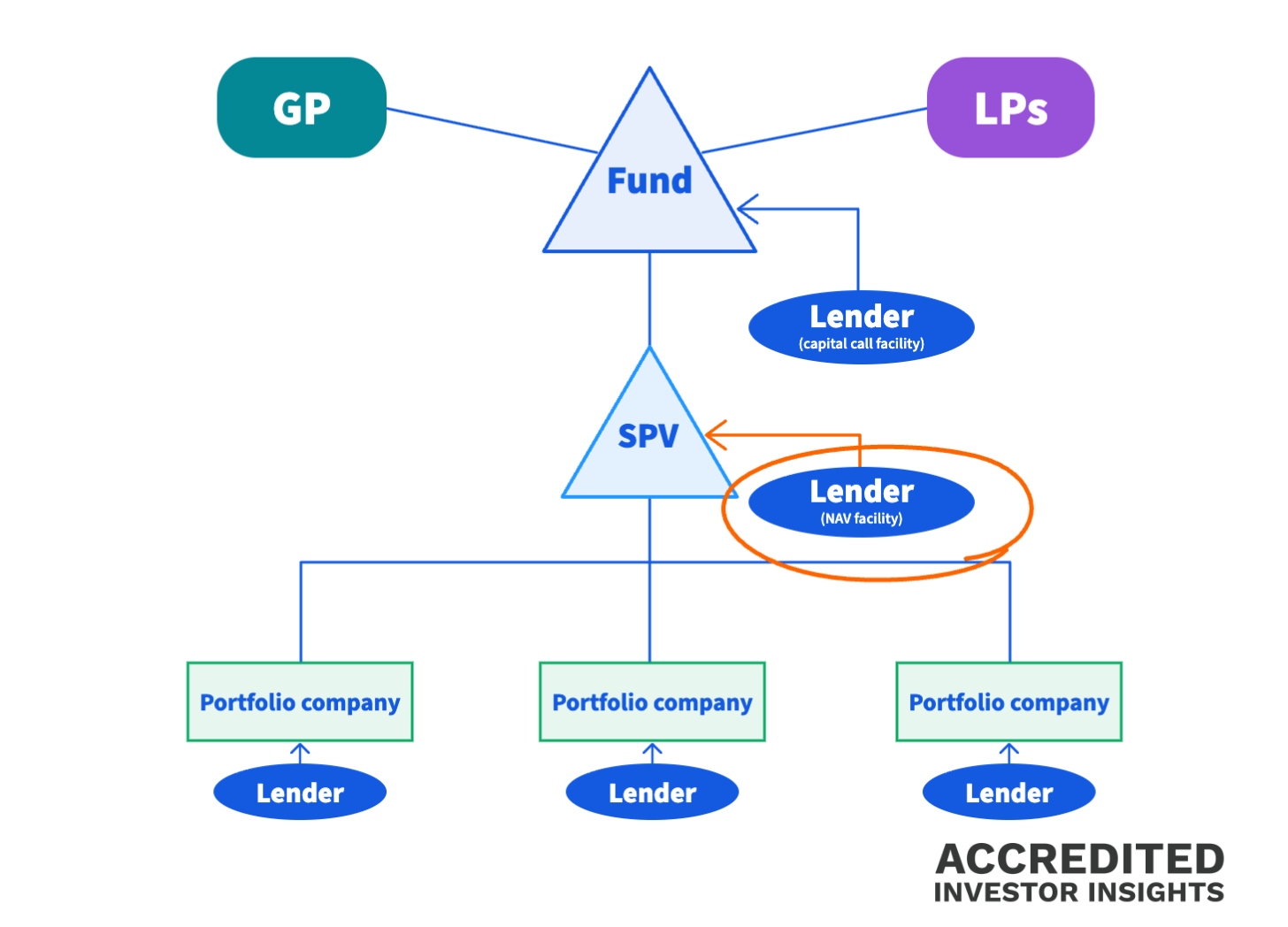
Before we get in the weeds: this article is about fund-level NAV borrowing initiated by the GP. LPs can also borrow against their own fund stakes. That’s a different animal: it’s the LP’s decision, and it’s the LP’s risk.
The issue with GP-initiated NAV facilities is that someone else is adding leverage to your equity position.

Twenty months later, the market is bigger, the SEC is paying attention, and (in an unexpected turn of events) LP pushback is actually working. Sort of.
Let’s catch up.
Disclosure: this is educational content, not investment advice. The author has no business relationship with any fund or lender mentioned here. Do your own due diligence (and read the darn footnotes).

Is Bigger Better?
The market now stands at an estimated $100 to $150 billion outstanding, with the Fund Finance Association projecting that it could reach $600 to $700 billion by 2030.
Average deal size jumped 142% in a single year, from €330 million ($375 million) in 2023 to €800 million ($910M) in 2024, according to Rede Partners’ 2026 NAV Financing Market Report. And adoption is spreading:
According to Arcmont, roughly 40% of mid-market PE managers in Europe have already executed a NAV loan; in the US, adoption sits at around 30%.
KBRA reported record rated issuance of $23 billion across 38 transactions in 2025 alone, with cumulative rated issuance exceeding $82 billion through mid-2026.
Why the surge? The exit market still isn’t cooperating. Bain’s 2026 Global Private Equity Report puts the industry’s implied capital holding cycle at roughly seven years. And as we all know when you can’t sell portfolio companies, you borrow against them instead.
Who’s Lending?
The largest single player remains 17Capital, the London-based specialist now majority-owned by Oaktree Capital. In March 2026, 17Capital closed its Credit Fund 2 at $7.5 billion (the largest NAV loan fundraise ever recorded).
That’s almost three times the size of its 2022 predecessor, which raised $2.9 billion. As of mid-2026, 17Capital has already deployed over $2 billion from Credit Fund 2 alone.
➡️ But the more interesting story is the bank vs. alternative lender segmentation. Banks now account for 60% of reported NAV lending volume, up from just 27% in 2024 (Rede Partners).
And banks are going after larger deals: the median bank deal size tripled in a single year, from €150 million to €500 million, while the alternative lender median held flat at €200 million.
The product has bifurcated: banks for the mega-cap books, specialist credit funds for everyone else.