


Apollo just did it again.
On August 30, Apollo announced a $9 billion investment in ONEOK, the Tulsa-based midstream energy company. The headlines called it an “equity investment.” Technically, it is.
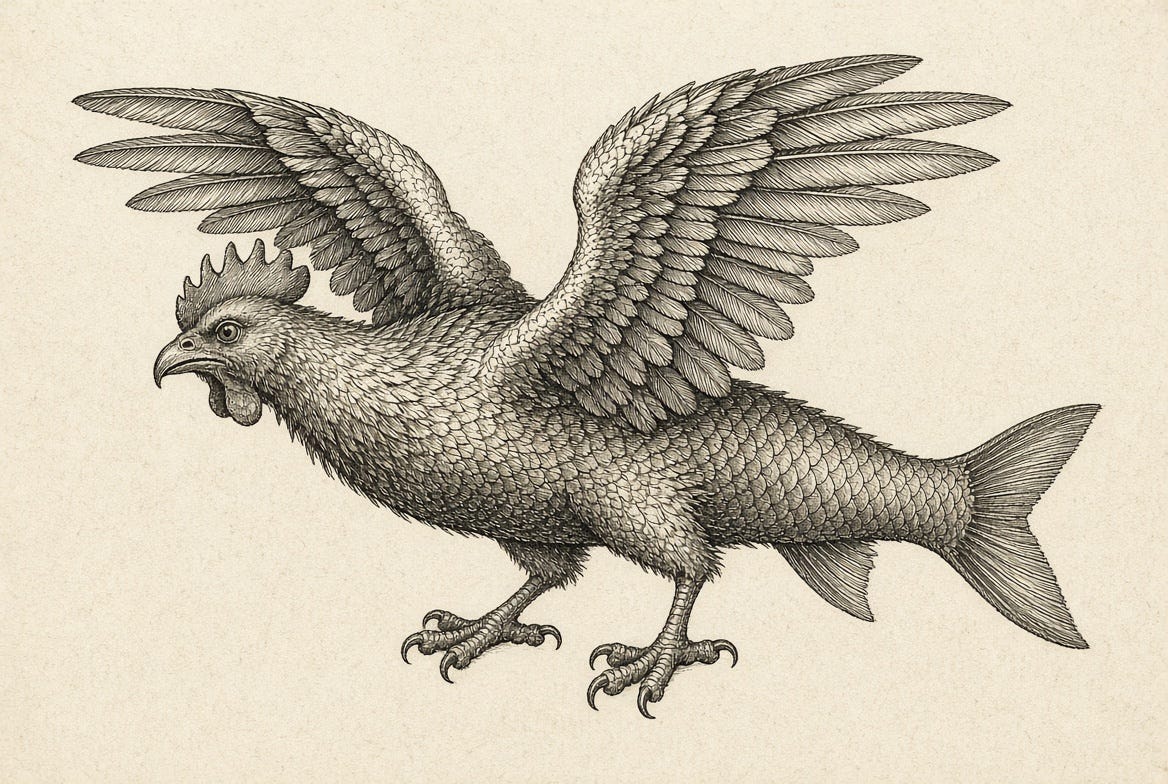
But upon closer inspection, it’s neither fish nor fowl. It’s equity with debt-like features, but not preferred equity. It has debt-like features but not the lender’s priority in repayment. It’s a financial instrument engineered so that both sides get to call it what they need it to be.
ONEOK gets $9 billion of capital that counts as equity on its balance sheet, doesn’t dilute existing shareholders, and helps reduce its leverage.
Apollo gets a contractual cash-flow stream that can potentially be packaged, tranched and sold as investment-grade securities to insurance companies and other institutional investors.
In other words: equity for the borrower, debt-like cash flows for the investor, and potentially investment-grade bonds for the eventual buyer.
Today we’ll walk through two things:
how this deal was structured on the corporate side,
and how equity gets converted into rated bonds.
If you missed the CLO article, you’ll want to read that first. This transaction isn’t technically a CLO, but the mechanism (taking contractual cash flows and turning them into rated securities) is nearly the same, with one important difference: a CLO diversifies across hundreds of borrowers, while this structure depends entirely on a single company’s cash flows.

This is what shows up on insurance balance sheets:

This is a case study examining the structure of a publicly announced transaction. It is based on SEC filings, public press releases, and reporting by Bloomberg. The author holds no position in ONEOK, Apollo, or any securities discussed. Nothing in this article is investment, legal, or financial advice.
What ONEOK is doing with the money
ONEOK is using the $9 billion for two things.
First, it’s acquiring Brazos Midstream’s natural gas gathering and processing assets in the Permian Basin for $4.4 billion. This nearly doubles ONEOK’s processing capacity in the region.
Second, it’s using roughly $5 billion to extinguish existing senior debt through tender offers, make-whole calls and term-loan repayment.
Net result: ONEOK gets bigger while reducing leverage. Pro forma 2027 leverage is expected to fall to roughly 3.25x debt-to-EBITDA, from around 4x.
And it does this without issuing common stock.
‼️ If ONEOK had issued $9 billion of new bonds, leverage would have gone the wrong direction. If it had issued $9 billion of common equity, existing shareholders would have been significantly diluted (current market cap is roughly $60 billion). Apollo’s structured equity lets ONEOK thread the needle.

The structure
This is the dense part (it’s your cue to get your coffee).